How to light a restaurant or hotel
In hospitality, light is not measured only in lux: it is measured in dwell time and average spend. Well-built shadow is worth more than uniformity.
- Maintained illuminance
- 150–300 lx (mesa 200)
- Glare (UGR)
- ≤ 22
- Colour rendering
- > 90 (recom. > 96)
- Colour temperature
- 2700–3000 K
- Uniformity
- contraste deliberado
The general level is deliberately low: 150–200 lux create intimacy. What matters is where the light is: an accent over the table (200–300 lux) creates an island of attention that psychologically isolates each group of diners.
Colour temperature must be warm, 2700 K — the light of dusk. That is the register the brain associates with relaxation. Any jump to 4000 K in an evening dining room breaks the atmosphere instantly.
Colour fidelity is critical even at low levels: with CRI >90 the dish looks appetising; with poor CRI, sauces and meat go flat and food looks worse than it is. This is hospitality’s most expensive mistake.
These spaces need different scenes: breakfast (higher level, cooler), lunch, dinner (lowest level, maximum accent) and cleaning (everything at 100 %). With MasterConnect or Casambi you programme once and it runs itself.
- Never light the diner head-on: the spot goes on the table, not on the face.
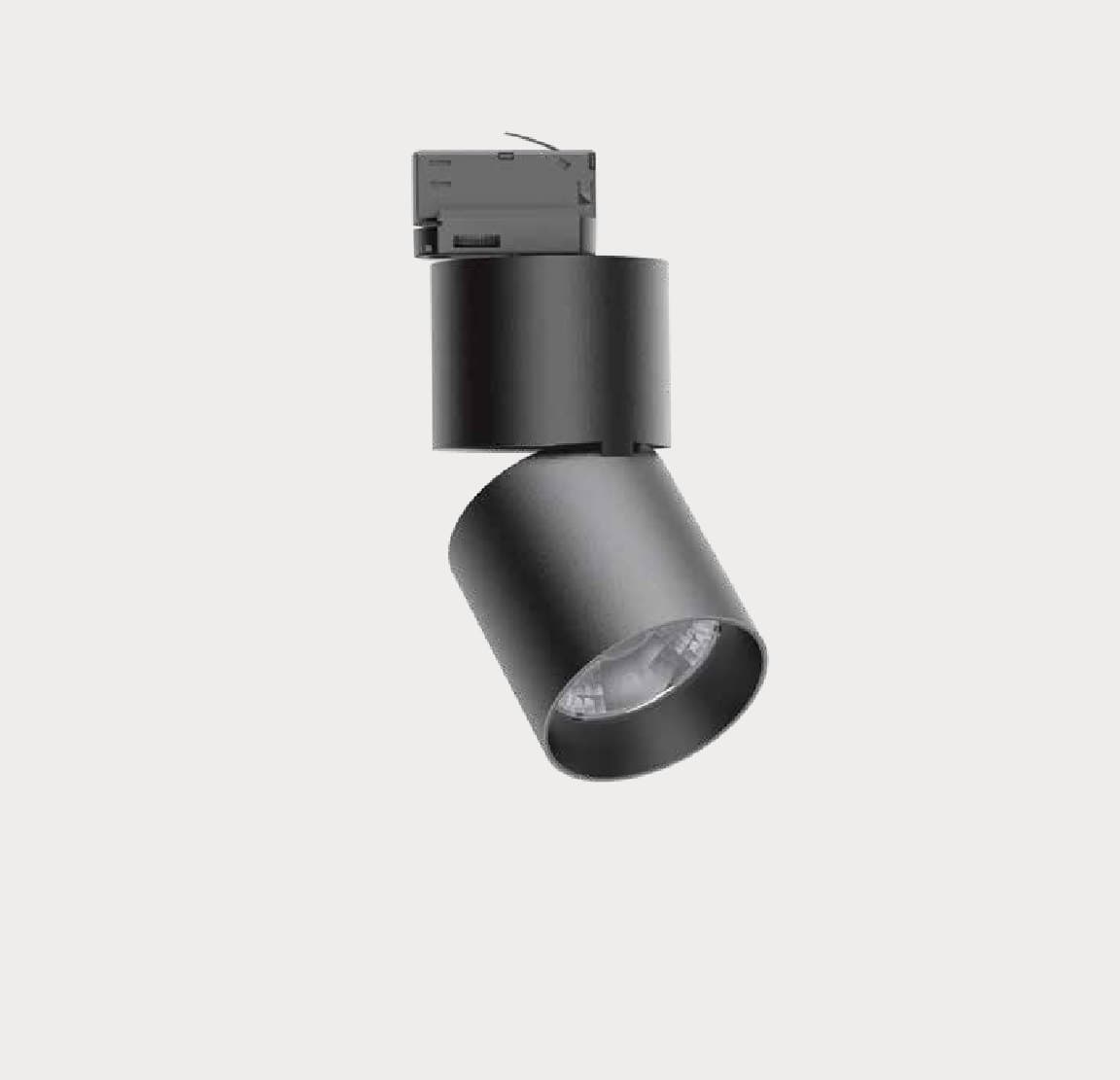
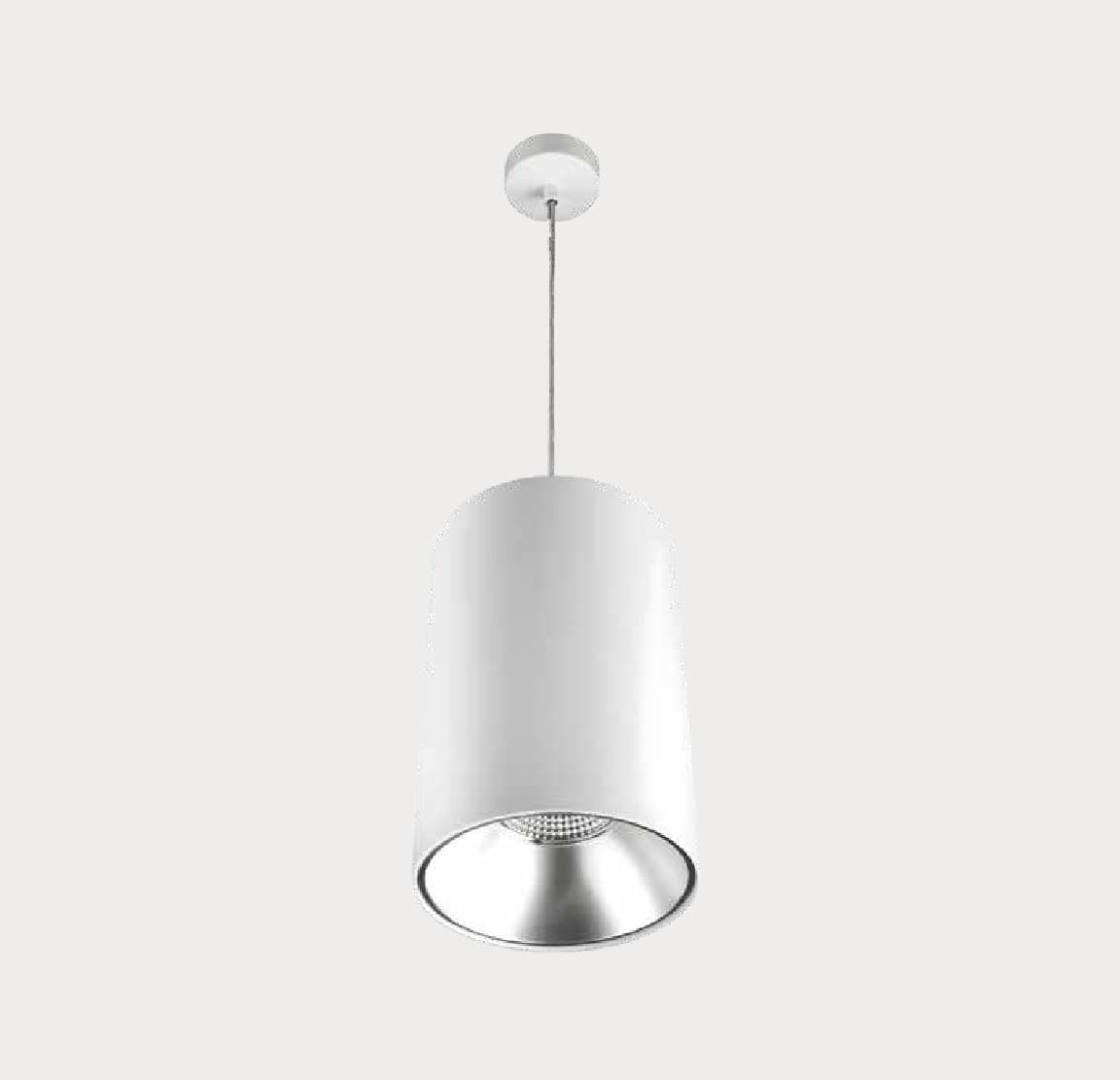
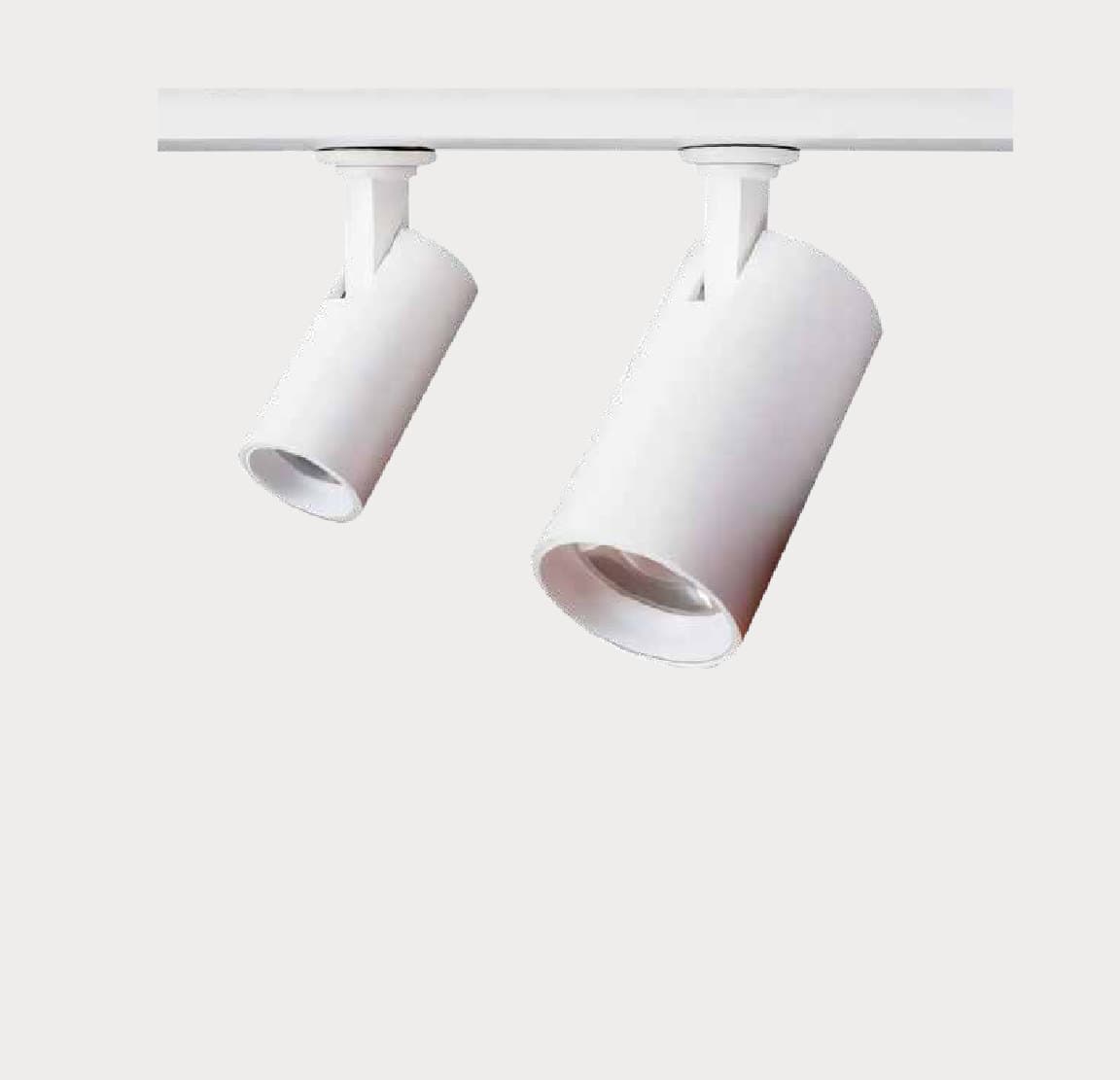
- Use low pendants over fixed tables and adjustable recessed spots where the layout changes.
- Light walls and ceiling softly: a room with only accents looks like a cave.
- At hotel reception, raise to 300 lux: documents must be read and signed.