How to light a high-end home
In residential projects the most common mistake is solving everything with a central ceiling fitting. A well-lit home does not have one level: it has layers that switch on according to the hour and the activity.
- Maintained illuminance
- 100–300 lx (tarea 500)
- Glare (UGR)
- ≤ 22
- Colour rendering
- > 90 (recom. > 96)
- Colour temperature
- 2700–3000 K
- Uniformity
- capas, no uniformidad
Work with three superimposed layers: general (100–200 lux, for orientation), task (300–500 lux in the kitchen, desk or mirror) and accent (on artwork, bookshelves or wall textures). Each with its own circuit and its own dimming.
Colour temperature must be warm: 2700 K in living rooms and bedrooms, 3000 K in kitchens and bathrooms. At night, cool light interferes with rest; this is why dimming systems that lower the level at dusk work so well at home.
Colour fidelity matters more than it seems: with CRI >90 wood, textiles and skin look natural. In a high-end home, where materials are the project, poor CRI destroys the interior designer’s work.
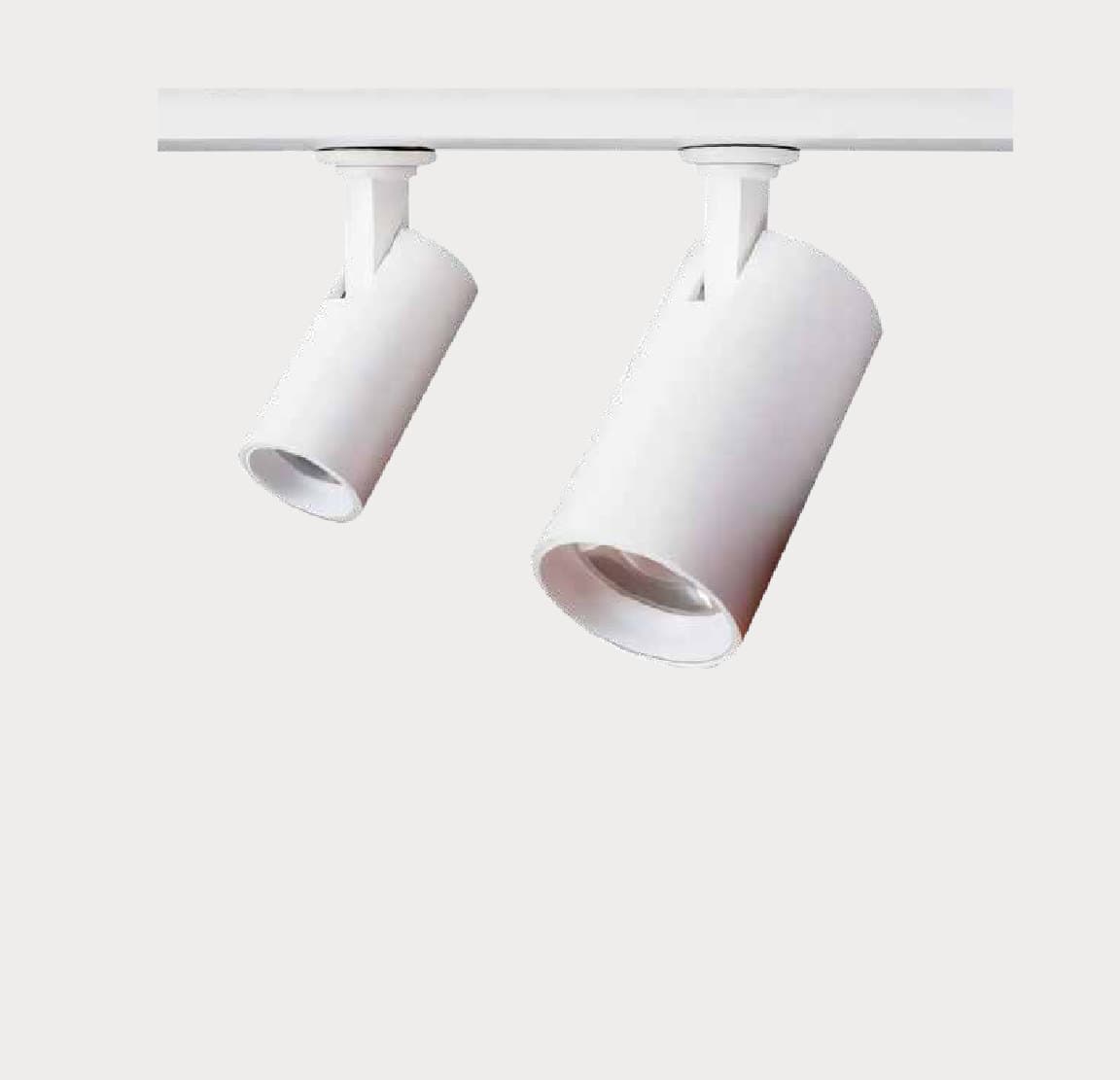
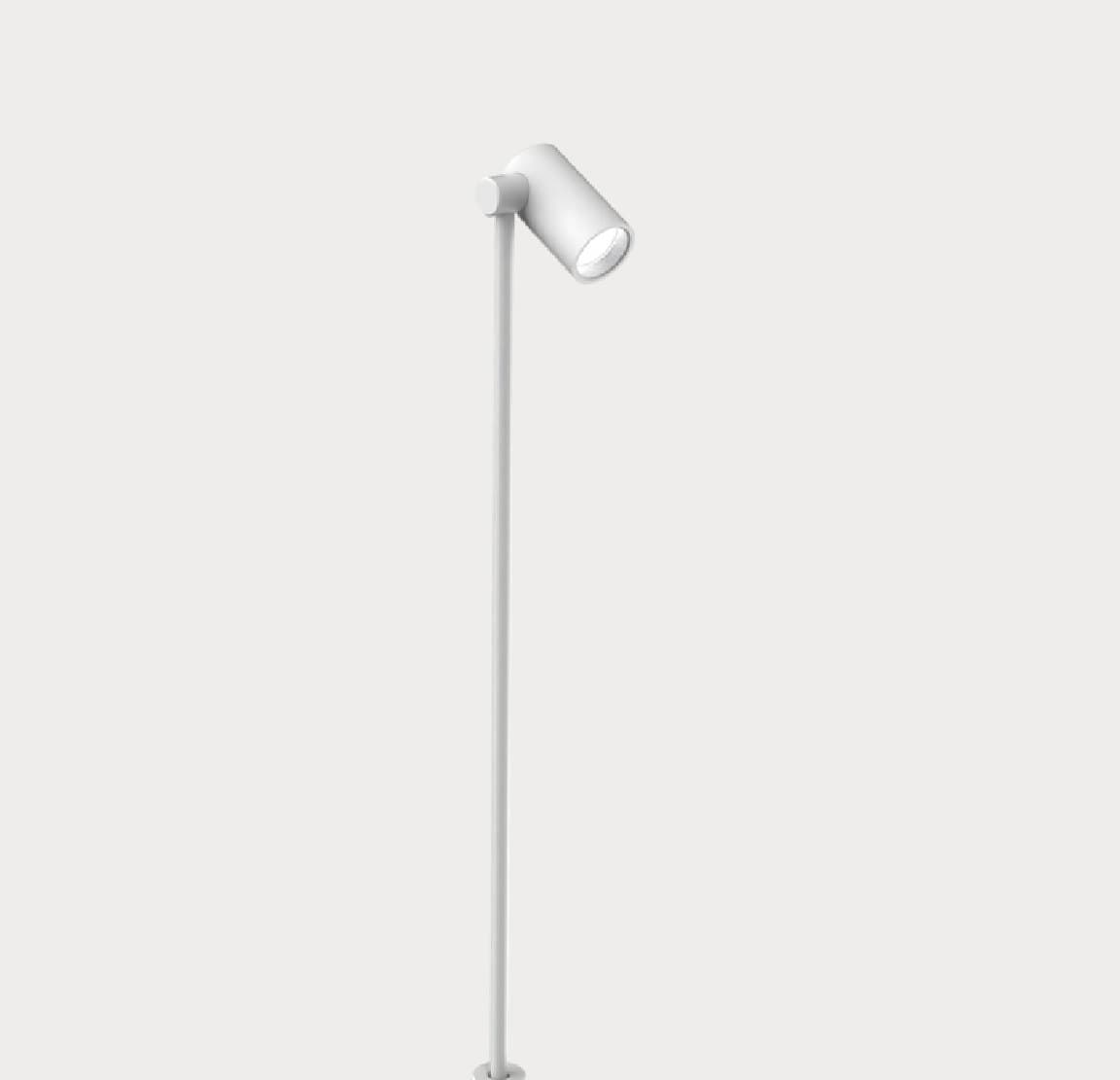
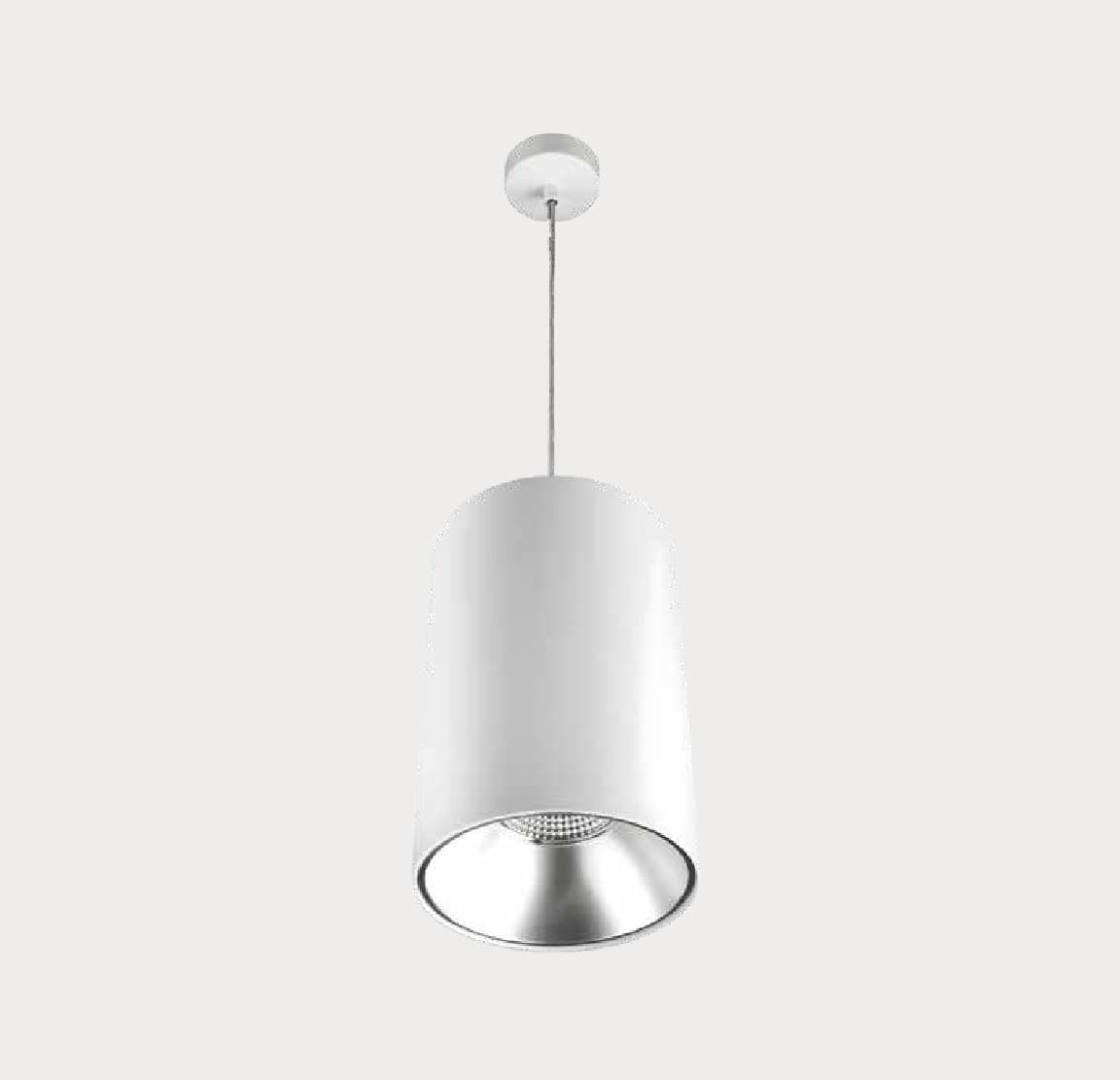
The luminaire must disappear. Minimal-diameter recessed fittings, linear profiles hidden in cornices and very refined pendants: in residential you see the light, not the source.
- Never centre a downlight in the middle of the room: follow walls and areas of use.
- Wash the walls: this is what makes a home feel larger and more welcoming.
- Install dimming in living rooms and bedrooms; it is the cheapest perceived upgrade there is.
- Light the inside of wardrobes and the cornice: indirect light is what gives character at night.